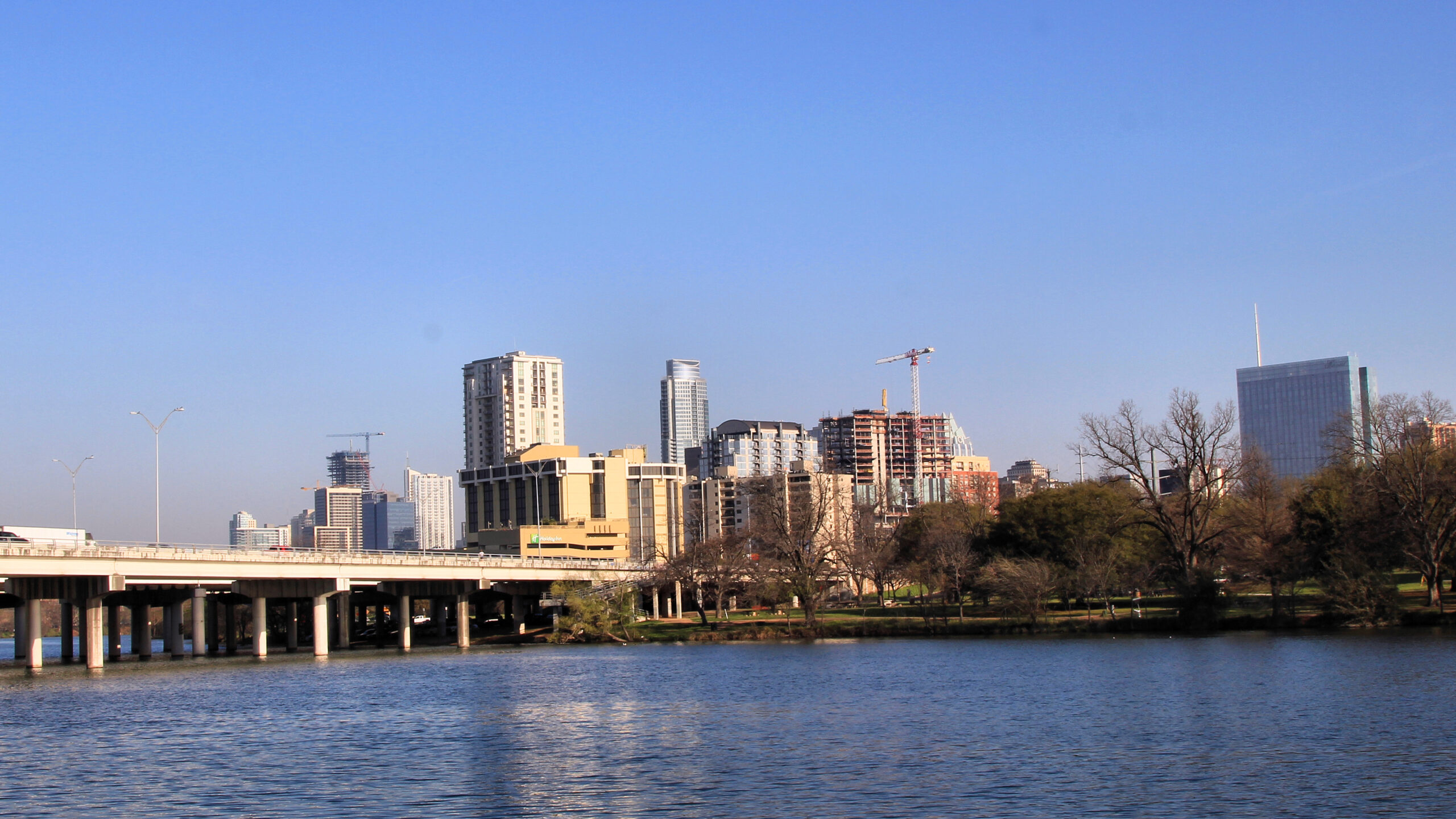
Austin has been one of the fastest-growing cities in the United States over the past decade, and for good reason: it combines tech job opportunities, a unique cultural scene, and a cost of living that’s still more accessible than cities like Los Angeles or New York. But moving here unprepared can get expensive.
Table of Contents
- First: pick the right area for your lifestyle
- Comparing popular areas
- The climate: the factor that surprises most people
- Transportation and distances
- Spanish-speaking community
- Before signing a lease
- Frequently asked questions
First: pick the right area for your lifestyle
Austin isn’t one homogeneous city. Downtown and East Austin offer urban living and nightlife; Pflugerville, Round Rock, and Cedar Park are better for families looking for good schools and space; Georgetown and Taylor are growing fast with still-reasonable prices.
Comparing popular areas
| Area | Best for | Vibe |
|---|---|---|
| Downtown / East Austin | Single professionals, nightlife | Urban, dense |
| Pflugerville / Round Rock | Families, Hispanic community | Suburban, quiet |
| Cedar Park / Georgetown | Families, strong school ratings | Growing suburban |
| Taylor | Tighter budgets | Semi-rural, expanding |
The climate: the factor that surprises most people
Summers are long and hot (easily 100°F+ from June to September), while winters are short and mild. Get ready by checking our complete guide to summer in Austin before your first year here.
Transportation and distances
Austin is built around cars. Public transit (Capital Metro) exists but is limited outside downtown, so most new residents need their own vehicle, especially if they live in the suburbs.
Spanish-speaking community
The Austin metro area has a large and growing Latino community, with resources, markets, churches, and businesses that cater specifically in Spanish, from East Austin to Pflugerville. If you’re interested in a practical career after arriving, check our guide on how to choose a cosmetology school in Texas, with programs taught in Spanish.
Before signing a lease
Research the neighborhood at different times of day, ask about utility costs (water, electricity, internet) separately from rent, and keep in mind many complexes require a deposit equal to a full month’s rent. And don’t forget to check the garage door if the home has one — our guide on signs a garage door spring is about to fail helps you spot problems before you move in.
Frequently asked questions
Is Austin an expensive city to live in?
It’s more expensive than the Texas average, but still more affordable than cities like Los Angeles, New York, or San Francisco.
Do I need a car to live in Austin?
In most cases, yes, especially if you live outside downtown, since public transit is limited.
What’s the best area for a Spanish-speaking family?
Pflugerville and East Austin have the most established Hispanic communities, with Spanish-language businesses and services.
💬 Pregúntale a la IA sobre este artículo